Overview
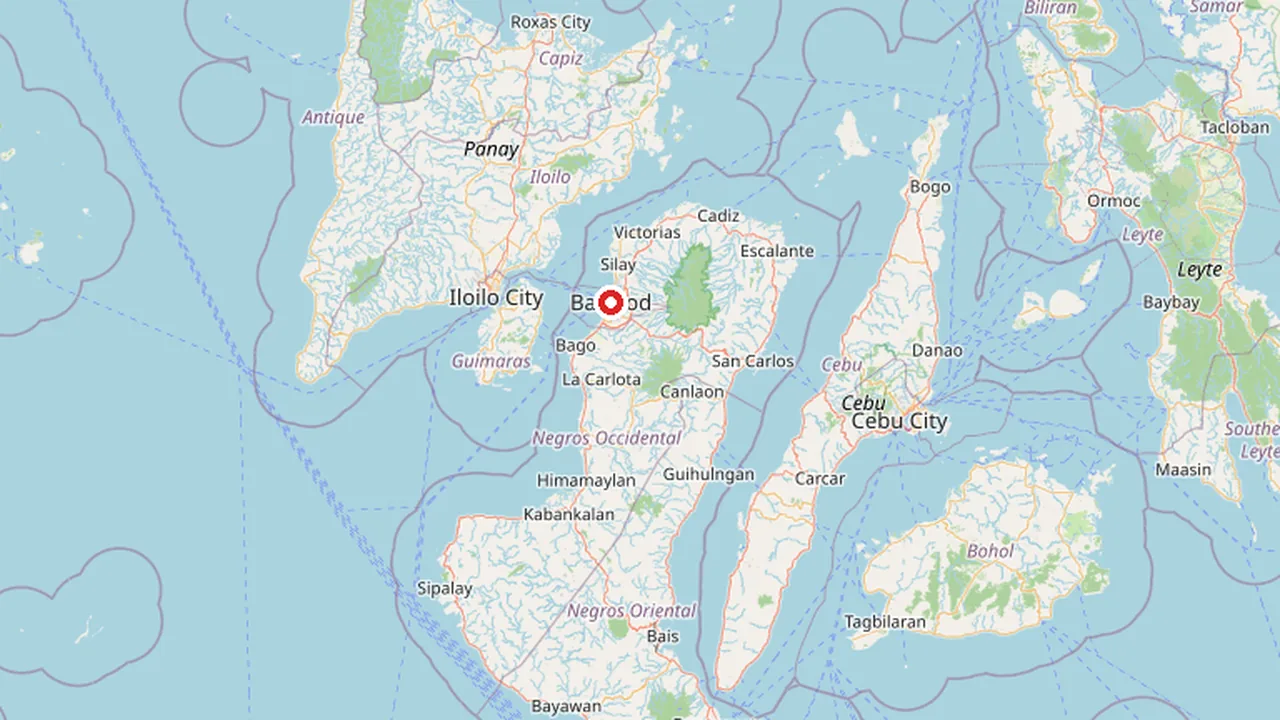
The Corazon Locsin Montelibano Memorial Regional Hospital (CLMMRH) operates as a key tertiary-level government healthcare facility within the Philippines. Located along Lacson Street in Bacolod City, Negros Occidental, the institution serves as the primary end-referral hospital for the region, providing specialized medical services to patients from across Visayas. Established in 1926, the hospital has grown into a major medical center under the governance of the Department of Health of the Philippines. Its status as an active, tertiary institution reflects its capacity to handle complex cases that require advanced diagnostic and treatment facilities often unavailable in secondary or district hospitals.
With an authorized bed capacity of 1,000, the CLMMRH is designed to accommodate a significant volume of inpatients, allowing it to manage both routine and critical care needs efficiently. This bed count positions it as one of the larger regional hospitals in the country, enabling it to serve not only the residents of Bacolod but also those from surrounding municipalities and provinces within Negros Occidental. The hospital’s location on Lacson Street places it in a central area of Bacolod, facilitating access for patients traveling from various parts of the city and region. The facility’s role as the sole end-referral hospital for the region underscores its importance in the local healthcare infrastructure, as it often receives patients transferred from smaller clinics and district hospitals seeking higher levels of care.
As a government-run institution, the CLMMRH plays a crucial role in delivering affordable healthcare services to the population. Its tertiary status means it offers a wide range of medical specialties, including internal medicine, surgery, pediatrics, and obstetrics, among others. The hospital’s long history, dating back to 1926, highlights its enduring presence in the community and its adaptation to changing healthcare needs over the decades. The Department of Health of the Philippines oversees its operations, ensuring that it meets national standards for tertiary care facilities. This oversight helps maintain the quality of service and ensures that the hospital remains a reliable destination for patients requiring advanced medical attention.
History
The institution now known as the Corazon Locsin Montelibano Memorial Regional Hospital (CLMMRH) traces its origins to 1926, when it was established as the Occidental Negros Provincial Hospital. Located along Lacson Street in Bacolod, the facility has served as a primary healthcare provider for the province of Negros Occidental in the Visayas region for nearly a century. As a tertiary-level government hospital, it operates under the governance of the Department of Health of the Philippines, reflecting its status as a key medical infrastructure asset in the Western Visayas area.
Early Years and Wartime Disruptions
Following its founding in 1926, the hospital underwent significant changes during the mid-20th century, particularly during the Japanese occupation of the Philippines. Historical records indicate that the facility experienced closures and operational shifts during the wartime period, which impacted its continuity of care. The post-war era saw the hospital resume its functions, gradually expanding its services to meet the growing healthcare needs of the provincial population. During this time, the institution maintained its location in Bacolod, which served as the administrative and commercial hub of Negros Occidental.
Name Changes and Institutional Evolution
Over the decades, the hospital underwent several name changes that reflected shifts in administrative oversight and commemorative honors. Originally known as the Occidental Negros Provincial Hospital, the facility was later renamed to honor Corazon Locsin Montelibano, a notable figure in the region’s history. This renaming marked a significant milestone in the hospital’s identity, linking the medical institution to the local heritage and political history of Negros Occidental. The transition to its current name, the Corazon Locsin Montelibano Memorial Regional Hospital, underscored its elevated status as a regional medical center.
Capacity Expansions and Modernization
By the late 2010s, the CLMMRH had grown into a major tertiary hospital with an authorized bed capacity of 1,000. This expansion reflected the increasing demand for specialized medical services in the region and the hospital’s role in providing care beyond basic outpatient treatments. The facility’s growth included upgrades to its infrastructure and the introduction of advanced medical technologies, enabling it to serve a larger patient population. As of 2019, the hospital remained active and continued to function as a critical component of the healthcare system in Negros Occidental, under the continued oversight of the Department of Health of the Philippines.
Why it matters
The Corazon Locsin Montelibano Memorial Regional Hospital serves as the primary tertiary-level government medical facility for the province of Negros Occidental. As a designated regional hospital, it functions as the sole end-referral center for patients from Bacolod City, the broader Negros Island, and neighboring provinces across the Western Visayas region. This strategic positioning makes the institution critical to the public health infrastructure of the area, handling complex cases that require specialized care beyond the capacity of district and municipal hospitals.
The hospital’s role as a tertiary care provider is defined by its authorized bed capacity of 1000 beds, allowing it to accommodate a significant volume of inpatients and outpatients from across the region. Located along Lacson Street in Bacolod, the facility operates under the governance of the Department of Health of the Philippines, ensuring standardized public health service delivery. Its establishment in 1926 marks it as one of the oldest continuous healthcare providers in the region, reflecting over a century of medical service to the local population.
Beyond its clinical functions, the hospital holds recognized historical significance within the province. In 2012, the National Historical Commission of the Philippines officially recognized the Corazon Locsin Montelibano Memorial Regional Hospital, acknowledging its enduring contribution to public health and local heritage. This recognition underscores the institution’s dual role as both a vital medical hub and a landmark in the architectural and social history of Bacolod. The NHCP designation highlights the hospital’s longevity and its evolution from a colonial-era health outpost to a modern tertiary care center.
The hospital’s status as an active, government-operated facility ensures that it remains a cornerstone of healthcare accessibility in the Visayas. For residents of Negros Occidental and surrounding areas, the CLMMRH represents a critical node in the regional health network, providing specialized treatments and referrals that might otherwise require travel to Metro Manila or other major medical centers. Its continued operation since 1926 demonstrates resilience and adaptability in meeting the changing healthcare needs of the Western Visayas population.
What are the clinical departments and services?
The Corazon Locsin Montelibano Memorial Regional Hospital (CLMMRH) operates as a tertiary-level government facility in Bacolod, Negros Occidental, providing comprehensive medical care across 13 accredited clinical departments. As a key healthcare provider in the Visayas region under the Department of Health of the Philippines, the hospital manages a diverse patient load within its authorized bed capacity of 1000. The institutional structure supports specialized care through distinct medical divisions, ensuring that patients receive targeted treatment from specialists in various fields.
Accredited Clinical Departments
The hospital’s clinical framework is built upon 13 accredited departments that cover the core specialties required for tertiary care. These departments include General Surgery, Internal Medicine, and Pediatrics, which form the foundational pillars of patient diagnosis and treatment. General Surgery handles a wide range of operative procedures, from emergency interventions to elective operations, serving as a critical component of the hospital’s acute care capabilities. Internal Medicine focuses on the diagnosis, treatment, and prevention of adult diseases, managing both common and complex medical conditions. Pediatrics provides specialized care for infants, children, and adolescents, addressing developmental, infectious, and chronic health issues specific to younger patients.
While the specific names of all 13 departments are not fully enumerated in the primary source, the presence of these core specialties indicates a broad scope of practice typical of regional hospitals. Other likely departments in a tertiary setting of this scale typically include Obstetrics and Gynecology, Orthopedics, Ophthalmology, Otorhinolaryngology, Dermatology, Anesthesiology, Radiology, Pathology, and Emergency Medicine, though the hospital’s official accreditation list confirms the total count of 13. This structure allows the CLMMRH to handle a high volume of referrals from secondary and primary health centers across Negros Occidental.
Patient Care Management and Residency Training
Patient care management at CLMMRH is structured to leverage its tertiary status, integrating diagnostic, therapeutic, and rehabilitative services under one roof. The hospital’s location along Lacson Street in Bacolod facilitates accessibility for patients from the municipality and surrounding areas in the province. Care protocols are designed to manage the flow of patients through the 1000 authorized beds, ensuring efficient utilization of resources while maintaining quality standards expected of a government-run tertiary facility.
In addition to direct patient care, CLMMRH plays a significant role in medical education through residency training programs. These programs allow medical graduates to specialize in various fields, gaining hands-on experience under the supervision of attending physicians across the accredited departments. Residency training enhances the hospital’s clinical expertise, as residents contribute to patient care while refining their skills in areas such as Internal Medicine, General Surgery, and Pediatrics. This educational component ensures a continuous pipeline of specialists for the region, strengthening the overall healthcare infrastructure of Negros Occidental and the broader Visayas region.
How has the hospital's capacity evolved?
The Corazon Locsin Montelibano Memorial Regional Hospital (CLMMRH) has undergone a significant transformation in terms of bed capacity since its establishment, reflecting the growing healthcare demands of the Visayas region. Initially, the hospital began with a modest authorized bed capacity of 25 beds in 1926. Over nearly a century of operation, this capacity expanded to meet the needs of the population in Bacolod and surrounding areas in Negros Occidental.
Evolution of Bed Capacity
| Year | Authorized Bed Capacity | Key Legislative/Administrative Milestones |
|---|---|---|
| 1926 | 25 beds | Initial establishment of the hospital |
| 2019 | 1,000 beds | Authorized bed capacity increased to 1,000 beds through legislative and administrative orders |
The expansion to 1,000 beds in 2019 marked a major milestone in the hospital's development, positioning it as a key tertiary-level government hospital in the Philippines. This increase was driven by the need to accommodate more patients and provide specialized care, which is typical for regional hospitals serving large populations. The Department of Health of the Philippines, as the governing body, played a crucial role in overseeing this expansion.
While the specific legislative acts and administrative orders that facilitated this expansion are not detailed in the available information, the growth from 25 beds to 1,000 beds underscores the hospital's importance in the healthcare infrastructure of Negros Occidental. The hospital's location along Lacson Street in Bacolod has made it a central hub for medical services in the region.
What are the quality certifications?
The Corazon Locsin Montelibano Memorial Regional Hospital (CLMMRH) has established its operational standards through specific international quality certifications. The institution holds ISO 9001 certifications for both its Patient Care Management and Residency Training programs. These certifications were awarded by the Anglo Japanese American Registrars, a body that evaluates healthcare institutions against global benchmarks for quality management systems.
ISO 9001:2008 Certification
The hospital first achieved ISO 9001:2008 certification, marking an early milestone in its quality assurance journey. This version of the standard focuses on customer satisfaction, process approach, and continual improvement. For CLMMRH, obtaining this certification demonstrated that the hospital’s administrative and clinical processes met rigorous international criteria. The ISO 9001:2008 standard required the hospital to document its procedures, define roles and responsibilities, and implement systematic monitoring of patient care delivery. This certification provided a structured framework for managing patient expectations and ensuring consistent service quality across different departments within the tertiary facility.
ISO 9001:2015 Certification
Building on its earlier achievements, CLMMRH secured ISO 9001:2015 certification for its Patient Care Management and Residency Training programs. The 2015 version of the ISO 9001 standard introduced a greater emphasis on risk-based thinking and leadership involvement. For the hospital, this meant that both clinical care and the training of resident physicians were evaluated under a unified quality management system. The certification covers the end-to-end patient journey, from admission to discharge, ensuring that care protocols are consistently applied. It also extends to the residency training programs, ensuring that medical education aligns with the hospital’s quality standards. This dual certification highlights the hospital’s commitment to maintaining high standards in both service delivery and medical education.
Role of Anglo Japanese American Registrars
The Anglo Japanese American Registrars serve as the accrediting body for these certifications. Their audit process involves detailed reviews of hospital documentation, staff interviews, and on-site observations of clinical and administrative processes. For CLMMRH, passing these audits confirms that the hospital’s quality management system is not only documented but also effectively implemented. The recognition from this specific registrar adds an international dimension to the hospital’s quality credentials, distinguishing it from other regional facilities that may rely solely on local health department assessments. This external validation is particularly important for a tertiary government hospital, as it provides patients and referring physicians with assurance that the facility adheres to globally recognized quality benchmarks.
Architectural heritage
The Corazon Locsin Montelibano Memorial Regional Hospital occupies a site of significant architectural and historical value in Bacolod, Negros Occidental. The facility’s main structure is recognized for its American colonial-era architectural style, reflecting the design sensibilities prevalent in the Philippines during the early 20th century. This period of construction, beginning in 1926, coincides with a wave of public works projects initiated by the American colonial government to modernize infrastructure across the Visayas region. The building’s façade and structural layout exhibit characteristics typical of the era, including symmetrical proportions, classical detailing, and the use of durable materials suited to the tropical climate of Negros Occidental.
The heritage value of the hospital building was formally acknowledged by the National Historical Commission of the Philippines (NHCP). In 2012, the NHCP declared the structure a national historical site, cementing its status as a key landmark in Bacolod’s urban landscape. This designation highlights the building’s role not only as a center of medical care but also as a tangible link to the region’s administrative and social history. The declaration ensures that the architectural integrity of the main building is preserved amidst the ongoing expansions and modernizations required to maintain its status as a tertiary-level government hospital.
Located along Lacson Street, the hospital’s heritage building serves as the anchor for the broader medical complex. While the facility has evolved to meet contemporary healthcare needs, with an authorized bed capacity of one thousand, the original structure remains a defining feature of the campus. The preservation of this American colonial architecture provides a visual contrast to the more modern wings and annexes that have been added over the decades. This blend of old and new underscores the hospital’s long-standing role in the community, bridging nearly a century of medical history in the Western Visayas region.
The NHCP’s recognition in 2012 places the Corazon Locsin Montelibano Memorial Regional Hospital among other significant heritage structures in the Philippines. The designation encourages continued stewardship of the building’s architectural features, ensuring that future renovations respect the original design elements. For visitors and patients alike, the heritage building offers a glimpse into the early 20th-century vision for public health infrastructure in the Philippines. Its preservation is a testament to the enduring importance of the hospital in the life of Bacolod and the wider province of Negros Occidental.