Overview
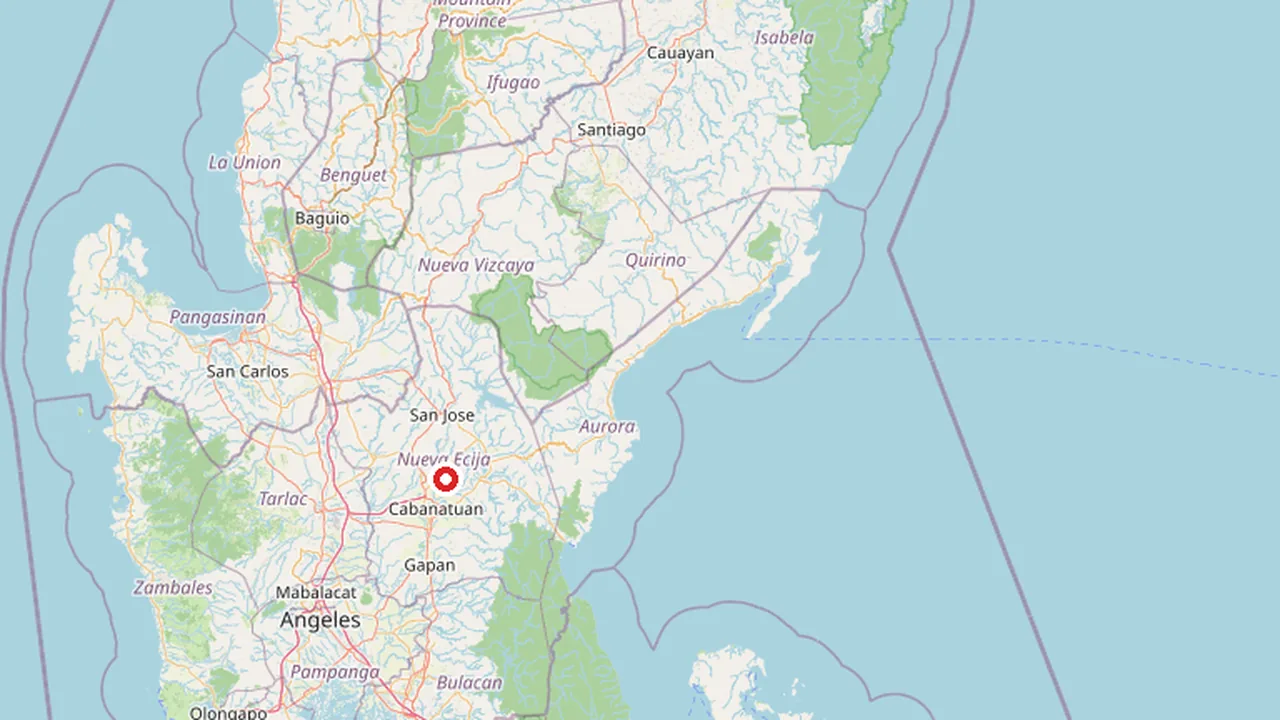
Nueva Ecija is a landlocked province situated in the Central Luzon region of the Philippines. Established in 1801, the province is governed by the Local Government Unit (LGU) of Nueva Ecija and remains an active administrative division within the national framework. The province shares its borders with several neighboring jurisdictions, including Aurora, Bulacan, Nueva Vizcaya, Pampanga, Pangasinan, and Tarlac. Its geographic position in the heart of Luzon has historically influenced its development as a major agricultural and commercial hub for the region.
The capital of Nueva Ecija is the city of Palayan. While Palayan serves as the political center, Cabanatuan is recognized as the largest city in the province. Cabanatuan functions as the primary economic, commercial, and institutional center for Nueva Ecija, hosting a significant concentration of businesses, educational institutions, and government offices that serve the broader provincial population. The distinction between the political capital and the economic center highlights the distributed nature of urban development within the province.
Nueva Ecija is nationally renowned as the "Rice Granary of the Philippines." This designation reflects the province's dominant role in the country's agricultural output, specifically in rice production. The province produces the largest rice yield in the nation, a status that has been maintained through extensive irrigation systems and fertile plains that characterize much of its landscape. The agricultural sector is the backbone of the local economy, influencing land use patterns, infrastructure development, and the livelihoods of a large portion of the resident population. The consistent high volume of rice production contributes significantly to the national food security strategy, making the province a critical component of the Philippine agricultural landscape.
The province's identity is deeply intertwined with its agricultural heritage. The title of Rice Granary is not merely a historical epithet but a reflection of ongoing economic activity. The vast expanses of rice fields define the visual character of the province, distinguishing it from the more urbanized coastal provinces or the mountainous interior regions of Luzon. This agricultural focus has shaped the social and economic structures of Nueva Ecija, fostering a community oriented around farming cycles, harvest festivals, and the trade of agricultural commodities. The province continues to leverage this agricultural strength to maintain its relevance in the broader Central Luzon economic zone.
Geography and Climate
Nueva Ecija is a landlocked province situated in the Central Luzon region of the Philippines. As the largest province in the region by land area, its geography is characterized by expansive plains and low-lying terrain, which has historically facilitated its development as an agricultural powerhouse. The province is bordered by Aurora and Nueva Vizcaya to the east, Bulacan to the south, Pampanga and Tarlac to the southwest, and Pangasinan to the northwest. This strategic location places it at the heart of the Central Luzon plain, providing access to major waterways and transport corridors that connect the capital region with the northern parts of Luzon.
The province's topography is predominantly flat, with gentle slopes rising towards the eastern borders near the Sierra Madre mountain range. This flat terrain, combined with a tropical climate featuring distinct wet and dry seasons, creates ideal conditions for rice cultivation. The province is crisscrossed by several major rivers, including the Pampanga River, which serves as a vital drainage system and irrigation source for the vast agricultural lands. These natural features have shaped the province's identity as the "Rice Granary of the Philippines," a title reflecting its consistent production of the largest rice yield in the country.
Administrative Divisions
The province is divided into 24 municipalities and two component cities: Cabanatuan and Palayan. Palayan serves as the current capital, while Cabanatuan remains the largest city and the primary economic, commercial, and institutional center. The administrative structure allows for localized governance across the diverse landscapes of the province, from the urban centers to the rural agricultural belts.
| City/Municipality | Type | Notable Characteristic |
|---|---|---|
| Palayan | Component City | Provincial Capital |
| Cabanatuan | Component City | Largest city; economic and commercial center |
| Gapan | Municipality | Industrial hub |
| San Jose | Municipality | Known for rice production |
| Guimba | Municipality | Eastern border municipality |
| Arayat | Municipality | Western border municipality |
The natural resources of Nueva Ecija extend beyond agriculture, with significant mineral deposits and forest reserves contributing to the local economy. The province's water bodies, including lakes and rivers, support fisheries and provide recreational opportunities. The interplay between the flat plains and the surrounding mountain ranges creates a diverse ecological landscape that supports various flora and fauna, further enhancing the province's natural heritage.
History: From Indigenous Settlements to Spanish Rule
Early Indigenous Settlements
Long before formal administrative divisions were drawn, the territory now known as Nueva Ecija was inhabited by various indigenous groups. These early settlers lived in harmony with the fertile plains that would later define the province’s agricultural identity. The landscape, characterized by vast lowlands and river systems, supported early agrarian communities who cultivated rice and other staple crops. These indigenous populations formed the demographic foundation of the region, establishing trade routes and social structures that persisted through subsequent waves of colonization. The area’s strategic location within the Central Luzon region made it a natural crossroads for early settlers moving between the coastal areas and the interior highlands.
Spanish Colonization and the Military Outpost
The Spanish colonization of Nueva Ecija began in earnest during the 17th century, driven by the need to secure the rice-producing plains of Central Luzon. In 1801, the province was officially established, marking a significant milestone in its administrative history (per historical records of Nueva Ecija). The Spanish authorities recognized the strategic importance of the region, particularly its potential as a breadbasket for the growing population of Manila. To consolidate control, a military outpost was established to protect the area from raids and to manage the local populace. This outpost served as both a defensive stronghold and an administrative center, facilitating the integration of Nueva Ecija into the broader Spanish colonial framework. The establishment of this outpost in 1801 laid the groundwork for the province’s future development and governance.
The Tobacco Monopoly Era
During the Spanish colonial period, Nueva Ecija became a key player in the tobacco monopoly, one of the most lucrative economic ventures of the era. The fertile soils and favorable climate of the province made it ideal for tobacco cultivation, which was heavily regulated by the Spanish crown. This monopoly not only boosted the local economy but also integrated Nueva Ecija into the global trade networks of the time. The tobacco industry brought significant wealth to the region, although it also imposed strict controls on local farmers and laborers. This era left a lasting impact on the province’s agricultural practices and social structure, influencing the development of Nueva Ecija as a major economic center in Central Luzon. The legacy of the tobacco monopoly continues to be felt in the province’s agricultural traditions and historical narratives.
The Philippine Revolution and American Period
The Philippine Revolution and subsequent American occupation significantly reshaped Nueva Ecija’s political and social landscape. During the 1896 uprising, residents of the province, known as Novo Ecijanos, played a pivotal role in the Central Luzon theater of the war. The province served as a strategic stronghold for the Katipunan forces, leveraging its central location in the rice-producing heartland to sustain military campaigns.
Key Revolutionary Figures
Mamerto Natividad emerged as one of the most prominent military leaders from the province. He was instrumental in organizing local forces and securing victories against Spanish colonial troops. Natividad’s leadership helped establish Nueva Ecija as a critical base for revolutionary operations, bridging the gap between the Tagalog and Ilocano-speaking regions. His efforts contributed to the eventual declaration of independence and the consolidation of power in the central plains.
Another significant figure was Mariano Llanera, who served as a key administrator and military commander during the revolutionary period. Llanera’s contributions extended beyond battlefield tactics; he was involved in the political structuring of the province under the new republic. His work helped integrate local governance with the broader revolutionary goals, ensuring that Nueva Ecija remained a cohesive unit during the turbulent transition from Spanish to American rule.
American Infrastructure and Education Reforms
Following the Spanish-American War, the American colonial administration implemented extensive reforms in Nueva Ecija, focusing on infrastructure development and education. The Americans recognized the province’s agricultural potential and invested in road networks and irrigation systems to enhance rice production. These improvements facilitated the transport of goods to market centers like Cabanatuan, boosting the local economy and reinforcing Nueva Ecija’s status as the Rice Granary of the Philippines.
Education was another major focus of American policy. The introduction of the public school system brought English as the medium of instruction, creating a new class of educated locals who would later lead the province. Schools were established in key towns, providing access to primary and secondary education for a larger segment of the population. These educational reforms laid the foundation for the province’s future institutional growth, influencing its economic and commercial development in the decades that followed.
World War II and Post-Independence Era
During the Japanese occupation of the Philippines, Nueva Ecija served as a strategic corridor and agricultural supply base for Imperial forces. The province’s extensive rice fields and central location within Luzon made it a focal point for military logistics and guerrilla activity. The most internationally recognized event in the province during this period was the Cabanatuan Prisoner of War camp, where hundreds of American and Australian soldiers were held in harsh conditions. In January 1945, the Cabanatuan POW raid, led by Lieutenant Colonel James P. "Patsy" Gallagher and supported by local guerrilla units, successfully liberated over 200 prisoners. This operation remains a significant chapter in Philippine-American military history, highlighting the coordination between Allied forces and local resistance movements in Central Luzon.
Post-War Agrarian Unrest and the Hukbalahap Movement
Following World War II, Nueva Ecija became a central theater for the Hukbalahap (Hukbo ng Bayan Laban sa Hapon) movement, which evolved from a wartime guerrilla force into a major agrarian reform movement. The province’s status as the "Rice Granary of the Philippines" meant that land ownership disputes were particularly acute. Tenants and sharecroppers, frustrated by slow post-war land reforms and high taxes, joined the Huks in large numbers. The movement challenged the dominance of local landed elites and the central government in Manila, leading to prolonged periods of civil unrest and military campaigns throughout the 1940s and early 1950s. This era of agrarian conflict deeply influenced the socio-political landscape of Nueva Ecija, shaping local governance and rural community structures for decades.
Creation of Palayan City
In the post-independence era, administrative adjustments reflected the growing population and economic shifts within the province. Cabanatuan had long served as the capital and primary economic center. However, as the province expanded, the need for a more centralized administrative hub became apparent. This led to the creation of Palayan City. Originally a municipality, Palayan was chartered as a component city, eventually becoming the provincial capital. This shift aimed to decentralize administrative functions and better serve the surrounding municipalities. The establishment of Palayan as the capital marked a significant milestone in Nueva Ecija’s modern governance, balancing the historical prominence of Cabanatuan with the strategic needs of a growing province. The LGU Nueva Ecija continues to manage these urban and rural dynamics, maintaining the province’s active status and its role as a key agricultural region in Luzon.
Economy: Agriculture and Industry
Nueva Ecija is nationally recognized as the Rice Granary of the Philippines, a title reflecting its dominant position in the country’s agricultural output. The province produces the largest rice yield in the nation, a status that underpins its economic identity and regional influence within Central Luzon. As a landlocked province bordered by Aurora, Bulacan, Nueva Vizcaya, Pampanga, Pangasinan, and Tarlac, its geography is particularly suited to extensive agricultural cultivation. The economic center of the province is Cabanatuan, which serves as the commercial and institutional hub, while Palayan functions as the provincial capital.
Agricultural Production
Rice remains the cornerstone of the provincial economy. The consistent high yields have earned Nueva Ecija its enduring moniker, distinguishing it from other agricultural provinces in Luzon. In addition to rice, the province is a significant producer of onions, contributing substantially to the national supply. Dairy production also plays a notable role in the local agricultural landscape, diversifying the output beyond staple crops. These sectors collectively define the rural economy and support a large portion of the population engaged in farming and related agri-businesses.
Key Industries and Economic Structure
Beyond primary agriculture, the province supports various industries that process and distribute these agricultural goods. Cabanatuan, as the largest city, hosts the main commercial activities, markets, and institutional centers that facilitate trade. The economic structure is heavily influenced by the agricultural calendar, with rice, onion, and dairy serving as the primary drivers of local revenue and employment. The province’s status as a major food producer ensures its strategic importance in the national food security framework.
| Category | Key Products/Industries | National Significance |
|---|---|---|
| Staple Crop | Rice | Largest yield in the Philippines ("Rice Granary") |
| Secondary Crop | Onions | Major national producer |
| Livestock/Agri | Dairy | Significant local production |
| Commercial Hub | Cabanatuan City | Economic, commercial, and institutional center |
The integration of these agricultural outputs with the commercial infrastructure in Cabanatuan creates a cohesive economic ecosystem. The province’s landlocked position in Central Luzon allows for efficient distribution networks connecting to neighboring provinces and the broader national market. This agricultural dominance continues to shape the development priorities and economic policies of the local government unit.
Demographics and Culture
Nueva Ecija’s demographic profile is defined by its status as a major agricultural hub within the Central Luzon region. As a landlocked province, its population distribution is heavily influenced by the agricultural cycles of the vast irrigation systems that support its title as the Rice Granary of the Philippines. The province’s administrative structure, governed by the LGU Nueva Ecija, manages a diverse populace spread across its municipal and city jurisdictions.
Population and Urban Centers
The province features a dual-center urban dynamic. Palayan serves as the official capital, providing the primary administrative functions for the province. However, Cabanatuan remains the largest city and functions as the dominant economic, commercial, and institutional center. This distinction shapes the demographic flow, with Cabanatuan attracting a significant portion of the workforce due to its commercial infrastructure, while Palayan maintains a more administrative and residential character. The province borders Aurora, Bulacan, Nueva Vizcaya, Pampanga, Pangasinan, and Tarlac, facilitating labor migration and trade that further influences local population density.
Ethnic Composition and Languages
The ethnic composition of Nueva Ecija is predominantly Tagalog, reflecting its location in the Central Luzon region. The Tagalog language serves as the primary medium of communication in daily life, commerce, and education. Due to its historical ties and geographic proximity to neighboring provinces, there is also a notable presence of Kapampangan speakers, particularly in areas bordering Pampanga and Tarlac. Ilocano communities are also present, reflecting historical migration patterns from the northern regions. This linguistic diversity supports a rich cultural exchange, though Tagalog remains the unifying language across the province’s municipalities.
Religious Demographics
Religion plays a central role in the cultural life of Nueva Ecija. The majority of the population identifies as Roman Catholic, a legacy of the Spanish colonial period that began in 1801. Catholic parishes are integral to the social fabric of both urban centers like Cabanatuan and rural agricultural communities. Other Christian denominations, including Protestants and members of the Iglesia ni Cristo, also have significant followings. Religious festivals and processions are common throughout the province, often coinciding with the agricultural calendar, further intertwining faith with the province’s identity as a rice-producing region.
Tourism and Heritage Sites
Nueva Ecija offers a diverse range of tourism and heritage sites that reflect its status as a cultural and natural hub in Central Luzon. The province is home to significant natural attractions, including the Minalungao National Park, which is renowned for its scenic limestone cliffs, rolling hills, and the Minalungao River. This protected area serves as a popular destination for eco-tourism, featuring natural pools, waterfalls, and diverse flora and fauna. Visitors often engage in activities such as river trekking, camping, and bird watching within the park's boundaries. The landscape provides a striking contrast to the province's vast agricultural plains, offering a unique geological feature in the region.
Natural Attractions
Another key natural landmark is the Pantabangan Dam, located along the Agno River. This major hydroelectric and irrigation project plays a crucial role in the province's agricultural productivity, particularly in supporting the rice production that earns Nueva Ecija the title of the "Rice Granary of the Philippines." The dam creates a large reservoir that offers opportunities for boating, fishing, and scenic views of the surrounding hills. The area around the dam is also significant for its ecological diversity, supporting various species of birds and aquatic life. The infrastructure itself stands as a testament to the province's historical development in water management and energy production.
Historical Sites
The province also boasts several historical sites that highlight its rich heritage. The Cabanatuan Cathedral, officially known as the Cathedral of the Immaculate Conception, is a prominent religious and architectural landmark in the city of Cabanatuan. This cathedral serves as the seat of the Diocese of Cabanatuan and features a blend of Spanish colonial and modern architectural elements. It is a central point for religious celebrations and cultural events in the area. Additionally, Camp Pangatian in the city of San Jose is a significant historical site, known for its role during the American colonial period and World War II. The camp includes the historic Pangatian Church and the former residence of General Douglas MacArthur, offering insights into the military and ecclesiastical history of the province. These sites provide visitors with a deeper understanding of Nueva Ecija's historical narrative and its contributions to the national identity.
Why it matters
Nueva Ecija holds a position of paramount importance in the national landscape, primarily defined by its agricultural output and its strategic location within Central Luzon. As a landlocked province, it serves as the primary engine for Philippine food security, earning the distinguished title of the "Rice Granary of the Philippines". This designation is not merely ceremonial; the province consistently produces the largest rice yield in the country, making it a critical buffer against national food shortages and price volatility. The agricultural dominance of Nueva Ecija underscores its role as a foundational pillar of the Philippine economy, where the harvest directly influences the cost of living for millions of Filipinos. The province's status as the top rice producer is a testament to the fertility of its plains and the dedication of its farming communities, which have cultivated the land for centuries to sustain the archipelago.
Agricultural Dominance and Food Security
The economic and social stability of the Philippines is inextricably linked to the agricultural performance of Nueva Ecija. The province's ability to deliver the largest rice yield in the country provides a level of food security that few other regions can match. This agricultural output is supported by the province's geographic advantages, including its extensive plains and access to major river systems that facilitate irrigation. The role of Nueva Ecija as the "Rice Granary" is a national asset, ensuring that the staple food of the Filipino people remains available even during periods of climatic or economic stress. The province's contribution to the national rice supply is a key factor in the country's overall food resilience, highlighting the strategic importance of its agricultural sector.
Cultural Melting Pot and Historical Significance
Beyond its agricultural prowess, Nueva Ecija is historically significant as a cultural melting pot of Central Luzon. Located at the heart of the region, the province has long served as a convergence point for various ethnic groups, languages, and traditions. This cultural diversity is reflected in the province's social fabric, where different communities have coexisted and intermingled over time. The province's borders with Aurora, Bulacan, Nueva Vizcaya, Pampanga, Pangasinan, and Tarlac have facilitated trade, migration, and cultural exchange, enriching the local heritage. The capital, Palayan, and the former capital, Cabanatuan, serve as institutional and commercial centers that reflect this diverse heritage. Cabanatuan, as the largest city and economic hub, continues to be a focal point for cultural and institutional activities, preserving the historical legacy of the province while driving its modern development.
The historical significance of Nueva Ecija is further enhanced by its role in the broader narrative of Central Luzon. The province has been a site of important historical events and movements, contributing to the shaping of the region's identity. The cultural diversity of Nueva Ecija is a source of pride and a testament to the province's ability to integrate different influences into a cohesive whole. This cultural richness, combined with its agricultural dominance, makes Nueva Ecija a vital component of the Philippine national identity. The province's contributions to food security and cultural heritage underscore its enduring importance in the Philippines.
Frequently asked questions
Why is Nueva Ecija known as the "Rice Granary of the Philippines"?
Nueva Ecija holds this title because it is consistently the top producer of rice in the country, largely due to its vast expanses of fertile alluvial soil and extensive irrigation systems. The province's agricultural output plays a critical role in feeding the nation, particularly the National Capital Region.
What are the primary economic drivers of Nueva Ecija?
The economy of Nueva Ecija is predominantly driven by agriculture, with rice cultivation being the leading sector, followed by significant contributions from livestock and poultry farming. In recent years, the province has also seen growth in light industries and agro-based manufacturing, diversifying its economic landscape beyond traditional farming.
How has the history of Nueva Ecija evolved from the Spanish colonial era to the present?
Nueva Ecija's history spans from early indigenous settlements to becoming a key province during the Spanish colonial period, the Philippine Revolution, and the American occupation. It played a strategic role in World War II and has since developed into a modern provincial hub while preserving its rich historical heritage sites.
What are some notable tourism and heritage sites in Nueva Ecija?
Visitors can explore historical landmarks such as the San Fernando Cathedral and the various ancestral houses that reflect the province's Spanish colonial influence. The province also offers cultural attractions like the annual Panagbenga festival and natural spots such as the Guimba River and the scenic landscapes of the Central Luzon Plain.
What characterizes the demographics and culture of Nueva Ecija?
The culture of Nueva Ecija is a vibrant blend of indigenous, Spanish, and American influences, evident in its festivals, cuisine, and architectural styles. The population is largely composed of Tagalogs and Pangasinans, contributing to a diverse social fabric that values community, agriculture, and religious traditions.